How to Pest-Proof Your Home for Every Season: Expert Tips
Introduction
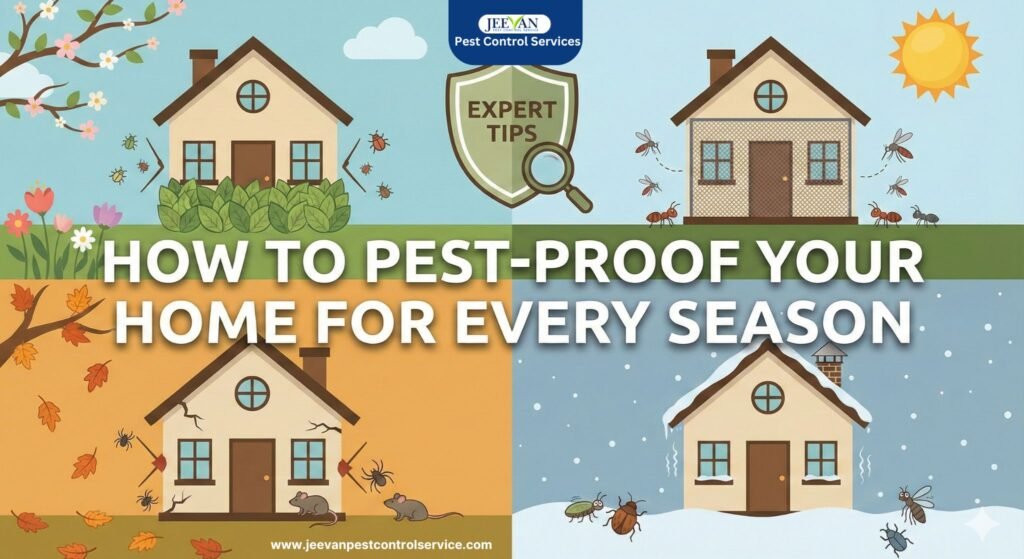
Pests don’t take vacations—and neither should your pest-prevention strategy. Whether it’s ants in spring, mosquitoes in summer, rodents in fall, or spiders seeking warmth in winter, each season brings its own pest challenges. The good news? With the right year-round habits, you can dramatically reduce the chances of unwanted critters invading your home.
In this expert guide, you’ll learn how to pest-proof your home for every season, using proven prevention strategies that align perfectly with Yoast SEO best practices—clear headings, short paragraphs, keyword usage, and easy readability. By the end, you’ll know exactly what to do to keep your home pest-free all year long.
Why Seasonal Pest-Proofing Matters
Every season creates different environmental conditions that attract specific pests. Temperature, humidity, rainfall, and food availability all play major roles in pest behavior. Understanding this seasonal cycle is the first step toward effective pest control.
Seasonal pest-proofing matters because:
It prevents infestations before they start
It reduces the need for chemical treatments
It protects your home’s structure and hygiene
It keeps your family and pets safe
Now let’s break down exactly what to do—season by season.
Spring Pest-Proofing Tips

1. Seal Entry Points Early
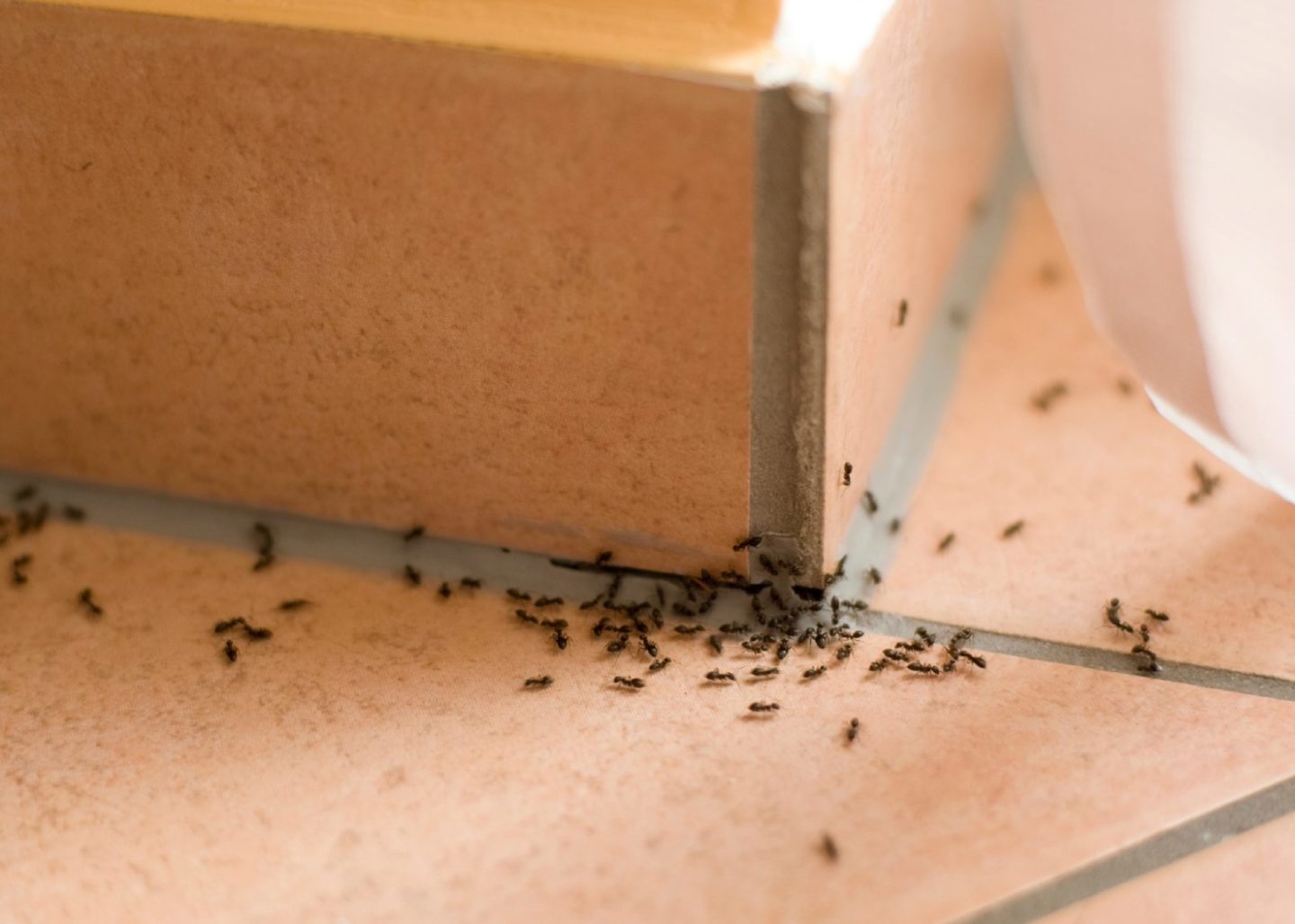
Inspect your home for gaps around doors, windows, siding, and foundation cracks. Even tiny openings can let in ants or termites.
Tip: Use silicone caulk or weatherstripping for long-lasting seals.
2. Clean Up Moisture Sources
Pests thrive in damp conditions. Check for:
Leaky faucets
Clogged gutters
Damp basements
Overwatered gardens
Reducing moisture removes a major pest attraction.
3. Trim Landscaping Near the House
Bushes, shrubs, and trees that touch your home create “bridges” for pests.
Maintain a 12–18 inch gap between plants and your house exterior.
4. Start a Preventative Pest Control Treatment
Spring is the ideal time for homeowners to schedule a professional inspection or apply preventative sprays once temperatures stabilize.
Summer Pest-Proofing Tips



Summer is peak season for mosquitoes, wasps, ants, flies, and pantry pests. Heat and humidity make food and water sources highly attractive to insects.
1. Keep Outdoor Areas Clean
Outdoor dining, BBQs, and summer activities leave behind crumbs and spills that attract pests.
Wipe down patio furniture
Keep garbage bins sealed
Store pet food indoors
2. Eliminate Standing Water
Mosquitoes breed in small amounts of water. Check for:
Birdbaths
Kiddie pools
Plant trays
Gutter blockages
Empty or refresh water weekly.
3. Inspect Screens and Vents
Torn window screens or loose vent covers are open invitations for flying insects.
Repair holes as soon as you spot them.
4. Store Food Properly
Summer heat accelerates spoilage, which attracts pantry pests like beetles and moths.
Use airtight containers and keep your pantry clean.
Fall Pest-Proofing Tips
1. Inspect Your Home Exterior Thoroughly
Rodents can squeeze through holes as small as a coin. Look around:
Foundation gaps
Garage doors
Rooflines
Vents and utility openings
Seal gaps with steel wool and caulk or metal flashing.
2. Clean Up Outdoor Debris
Fallen leaves and woodpiles make ideal hiding spots.
Keep firewood 20 feet away from your home
Bag leaves promptly
Remove clutter from your yard
3. Deep Clean Kitchens and Storage Areas
Rodents and insects are motivated by food.
Wipe behind appliances
Store seasonal décor in sealed containers
Keep floors crumb-free
4. Install Door Sweeps
One of the simplest, most effective fall pest-proofing tools is a door sweep. It prevents rodents, spiders, and crawling pests from sneaking inside.
Winter Pest-Proofing Tips


Winter doesn’t mean pests disappear—they simply relocate indoors. Rodents, spiders, cockroaches, and overwintering insects seek warmth and shelter during cold months.
1. Maintain a Dry, Clean Home
Even in winter, pests search for water sources. Check:
Basement pipes
Laundry room hoses
Under-sink plumbing
A dry home is far less attractive to pests.
2. Store Firewood Properly
Firewood stored too close to your home can harbor termites, spiders, and rodents. Bring wood in only as needed.
3. Declutter Storage Areas
Pests love:
Cardboard boxes
Old newspapers
Covered corners
Use plastic bins instead of cardboard, and keep storage areas tidy.
4. Continue Preventative Treatments
Even in winter, professional pest control reduces spring infestations dramatically.
Year-Round Pest-Proofing Strategies
Every season has unique pest challenges, but some tasks should be part of your ongoing home maintenance routine.
1. Keep Your Home Clean and Sanitized
Food residue and clutter are the top pest attractants.
Focus on:
Floors
Countertops
Pantry organization
Trash management
2. Monitor for Early Warning Signs
Early detection prevents major infestations. Look for:
Droppings
Chewed materials
Damaged food packages
Unusual sounds in walls or attic
3. Schedule Regular Pest Control Inspections
Professional inspections help catch issues you might miss. They also ensure you have a tailored seasonal plan.
4. Protect Pets and Their Food
Pet bowls and food bags attract ants, roaches, and rodents.
Use sealed containers
Clean feeding areas daily
5. Improve Home Ventilation
Good airflow reduces humidity and discourages pests such as silverfish, roaches, and centipedes.
Top Tools and Products for Year-Round Pest-Proofing
Here are expert-recommended items every homeowner should consider:
Silicone caulk for sealing gaps
Steel wool for rodent entry points
Airtight pantry containers
Weatherstripping for doors and windows
Dehumidifiers for basements or damp rooms
Outdoor pest-repellent lighting
Door sweeps and vent covers
These simple tools can make a major difference when used consistently.
When to Call a Professional Pest Control Service
While DIY pest-proofing is valuable, some situations require expert help.
Call a professional when:
You see recurring pest problems
You discover signs of termites
You hear scratching or movement in walls
You find droppings or nests
You suspect a large infestation
Professionals provide targeted treatments and long-term prevention strategies that protect your home more effectively.
Conclusion: Keep Your Home Pest-Free Every Season
Pest-proofing your home isn’t a once-a-year task. It’s a seasonal strategy that significantly reduces the risk of pests entering your space. By following the expert tips in this guide—sealing entry points, reducing moisture, maintaining cleanliness, and preparing for seasonal pest patterns—you can enjoy a healthier, safer, and more comfortable home all year long.
Whether you’re dealing with ants, rodents, spiders, or seasonal insects, these preventative steps make a big difference. And if pest problems ever become overwhelming, don’t hesitate to bring in professional help.